UKREiiF 2026: Unlocking delivery for SME housebuilders
May 26
4 min read
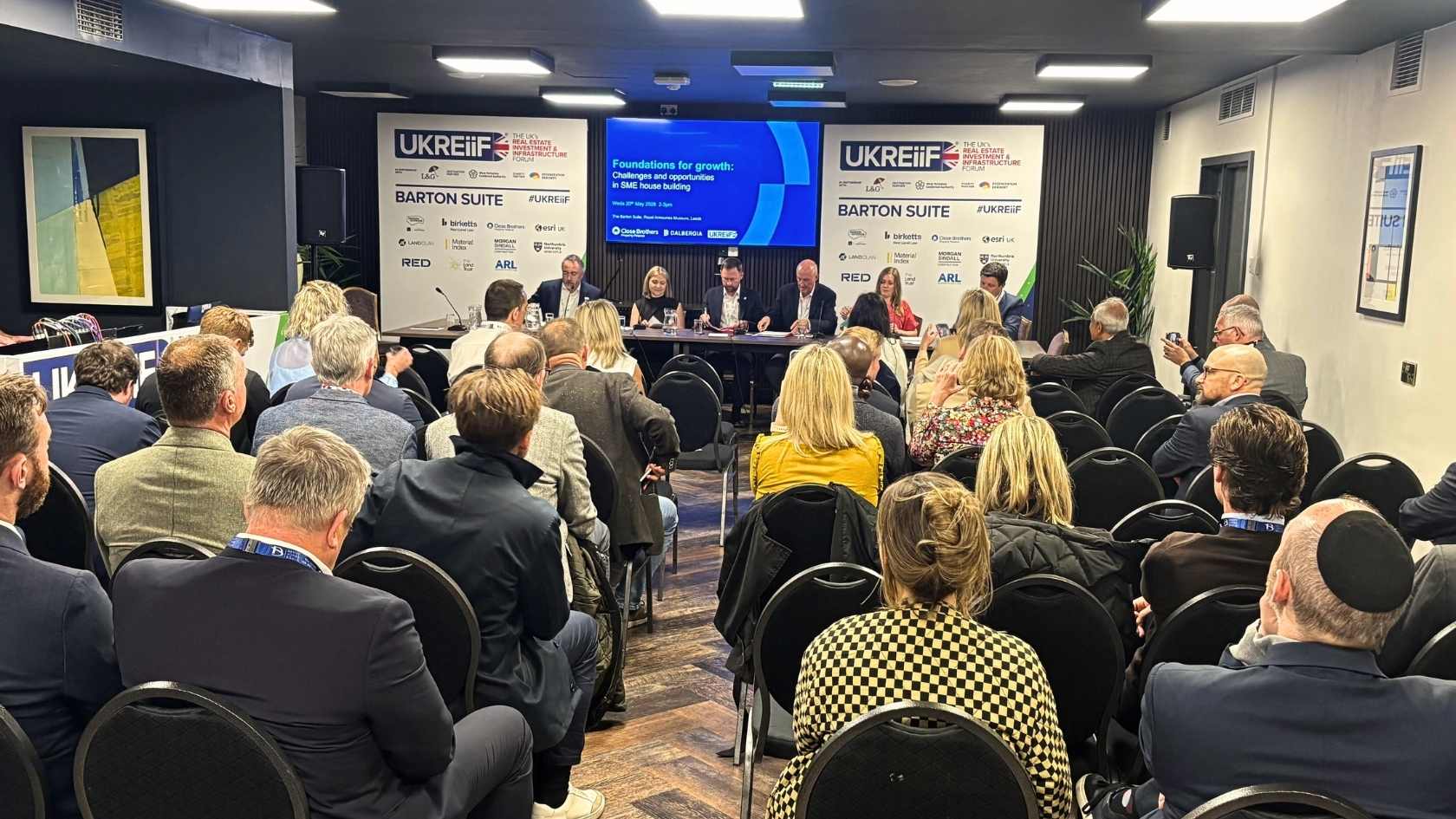
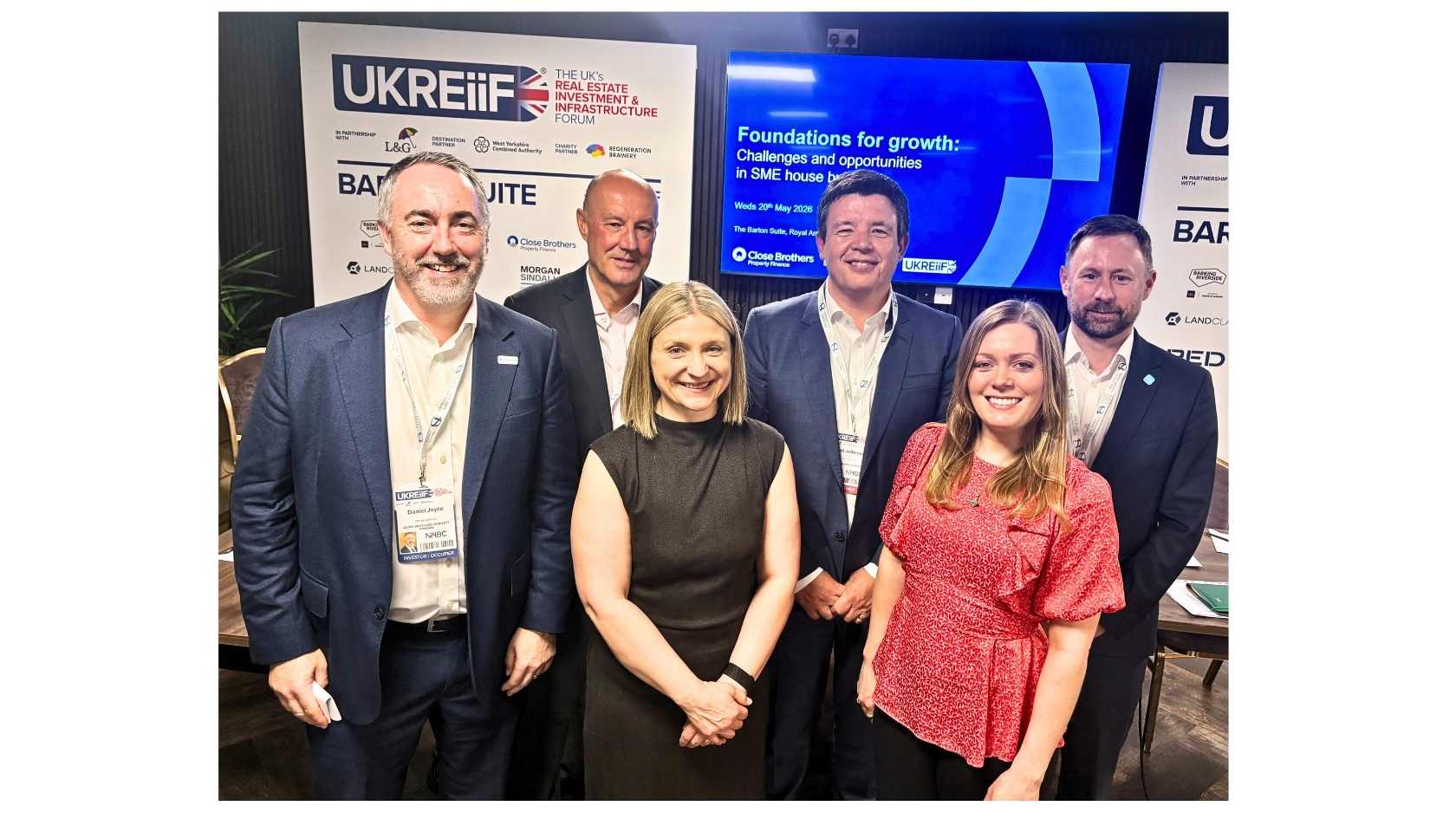
At UKREiiF 2026, Close Brothers Property Finance hosted a panel exploring the foundations for growth in the SME housebuilding sector, bringing together voices from across development, policy and industry bodies.
The discussion was set against a familiar backdrop: ongoing challenges around viability, planning constraints and macroeconomic uncertainty. But encouragingly, there was also a clear shift in tone - with conversations increasingly positive, practical and focused on solutions.
A sector under pressure but resilient. Panellists were clear that the current landscape remains difficult for SME developers.
"Uncertainty is becoming the new norm, but the sector continues to show resilience.” Dan Joyce, Close Brothers Property Finance.
Planning remains the critical barrier
Across the discussion, planning emerged as the single biggest constraint, not just in policy, but in execution.
A lack of capacity across local authority systems, combined with increasing complexity and inconsistent approaches, is creating delays that disproportionately impact SMEs.
“Time is money and delays in the system hit smaller developers hardest.” Neil Jefferson, Home Builders Federation.
"It’s not necessarily getting planning - it’s how long it takes and how expensive it is.” Paul Rickard, Pocket Living
“We need consistency in planning policy, constant change makes it almost impossible to operate.” Ian Hessay, Mulgrave Properties
Rising build costs, regulatory layering and constrained affordability continue to challenge delivery. However, demand has proven more resilient than expected in some regions, particularly in the North and Midlands.
There was also strong consensus that much of the friction sits beyond the point of approval, including highways sign-off, Section 106 agreements and wider regulatory processes.
Viability: the tipping point for delivery
Viability was a recurring theme, with panellists highlighting the cumulative impact of cost inflation and regulatory requirements.
“Costs have increased significantly… but values haven’t kept pace.” Paul Rickard
“If we get this right, SMEs can play a transformative role in delivering growth.” Sarah Edwards, MP for Tamworth
Industry data from the Home Builders Federation states the cost of delivering a home has risen by £76,000 since 2020, driven by both materials inflation and policy-driven requirements. While many of these measures are well-intentioned, from sustainability to safety, the combined burden is making schemes increasingly unviable, particularly for smaller sites.
Collaboration is key to unlocking schemes
Despite the challenges, one of the clearest themes from UKREiiF was the importance of partnership and collaboration.
“Public/private partnerships, local authority engagement and flexible capital will be critical in getting schemes delivered.”
There is growing recognition that unlocking development, particularly on smaller or more complex sites, requires closer working between developers, investors, public bodies and policymakers.
 The role of SMEs is central
“SMEs are not smaller versions of volume housebuilders - they are fundamentally different and need targeted support.” Paul Rickard
“SME housebuilders aren’t just building homes, they’re supporting local economies and communities” Sarah Edwards MP
“SMEs are often already going above and beyond on sustainability to differentiate in the market. Developers are looking at more efficient ways of building and managing sites.” Rebecca Lindridge, Dalbergia
There was acknowledgment that progress has been made at a policy level, including planning reform and new concepts such as “grey belt”. “We’ve seen policy move in the right direction, but the real challenge now is implementation.”
Panellists emphasised that the priority must now be streamlining processes, improving consistency and reducing friction in the system, rather than introducing further layers of regulation.
Funding continues to be available across the market, but with greater scrutiny.
“Capital is still there but it’s backing experienced sponsors, strong delivery teams and genuinely deliverable schemes.” This reinforces the importance of certainty, clarity and strong fundamentals in bringing forward development.
A more constructive outlook
Overall, the mood at UKREiiF felt notably more forward-looking than in recent years. While challenges around planning, viability and costs remain, the conversation has shifted towards how to get projects moving again, rather than whether they can move at all.
SME housebuilders have a vital role to play in meeting the UK’s housing needs. If key barriers can be addressed, particularly around planning, viability and delivery - the sector has the capacity to significantly increase output.
“Let’s not accept this as the new norm - we need to keep challenging what isn’t working and push for better solutions.” Paul Rickard
“The industry isn’t short of ideas or ambition, the real challenge is delivery.” Dan Joyce, Close Brothers Property Finance
The message from UKREiiF was clear; with the right support, greater collaboration and a focus on implementation, SMEs are ready to help deliver the homes the UK needs.